

Table of Contents
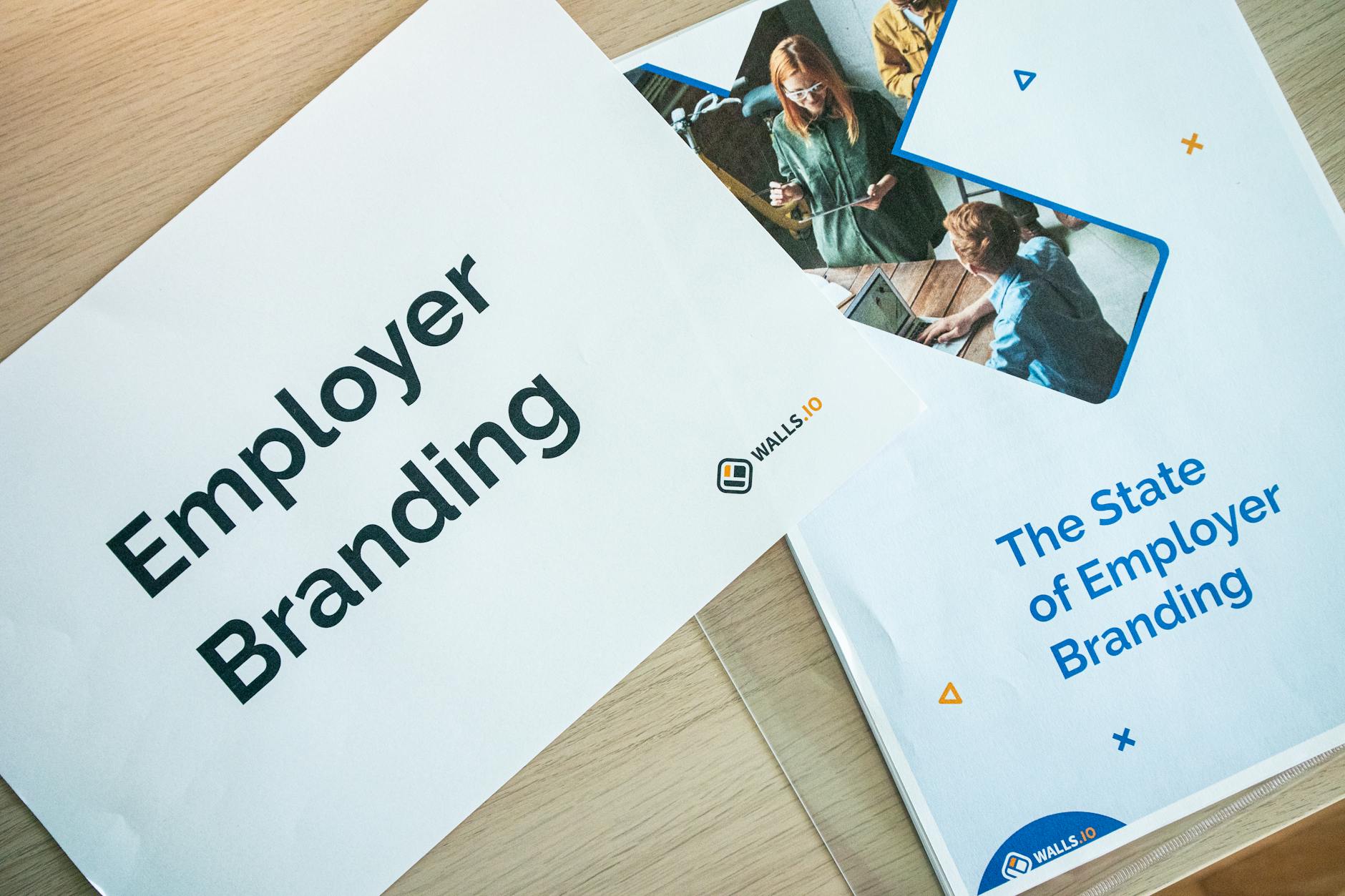
Strong employer brands do more than look polished. They help candidates understand what the business stands for, what it is like to work there, and whether early-career talent will be supported from day one.
For UK startups and small employers, that matters even more. When you are hiring interns or graduates, your reputation can be the difference between an application that feels confident and one that never gets submitted.
What employer branding means for startups and small employers
Employer branding is the impression candidates form before they ever speak to you. It includes your job adverts, website, social media, application process, interview style, and the stories people hear about your team.
For early-stage businesses, this does not have to mean a big budget or a polished corporate identity. It means being clear, consistent, and believable about what your company offers and what kind of people thrive there.
- Show candidates what the business does and why it exists.
- Make it easy to understand the role and the team.
- Give a realistic picture of growth, support, and day-to-day work.
- Keep the application process simple and respectful.
- Prove that interns and graduates will be treated as part of the team.
Real-world examples of employer branding that candidates notice
The best employer branding and recruitment approach is not about sounding impressive. It is about giving candidates enough confidence to imagine themselves working with you.
When a startup or small business does this well, candidates can quickly see three things: what the company is trying to achieve, how people work together, and whether there is a genuine path to learning and responsibility.
If a candidate cannot explain your mission in one sentence after visiting your site, your brand is probably too vague.
Clear mission and growth story
One of the strongest employer branding examples is a business that can explain its mission in plain English. Candidates respond when they understand the problem you solve and why the work matters now.
Startups often do this well when they connect the role to business growth. For example, a small digital agency might explain that an intern will help shape client campaigns while learning how the team builds results from the ground up.
This creates momentum. Early-career candidates want to feel that they are joining something active, focused, and moving forward, not just filling a temporary gap.
Authentic culture and team visibility
Candidates are quick to spot stock photos, vague promises, and generic claims about being a “fun team.” Strong employer brands show real people, real work, and a believable day-to-day culture.
That might mean sharing short team bios, founder stories, behind-the-scenes updates, or examples of how the business communicates and collaborates. If you are building an internship pipeline, this kind of visibility can be especially valuable because students and graduates are often choosing between multiple similar opportunities.
For practical promotion ideas, our guide on ways to showcase an internship programme is a useful next step for employers looking to attract stronger early-career interest.
- Use real team photos and honest bios instead of generic imagery.
- Show how your team works together, not just what you sell.
- Share founder or manager voices so the business feels human.
- Highlight the support interns and graduates receive in practice.
Career development and early responsibility
A common sign of a strong employer brand is that it makes growth feel tangible. Candidates want to know what they will learn, how they will be supported, and whether they will be trusted with meaningful work.
This does not mean giving interns unrealistic responsibility. It means showing that they will contribute to projects, receive guidance, and build skills that matter after the placement ends. That balance is especially important for startups and small employers, where roles often evolve quickly.
A clear, well-written role summary also matters. If you want more guidance on creating a realistic and attractive vacancy, see what to include in an internship job description.
Candidates rarely expect perfection. They do expect clarity about learning, support, and the kind of work they will actually do.
What strong employer brands do differently in their hiring process
Great employer branding is not only about what you say. It is also about how you hire. Candidates notice when the process is fast, structured, and respectful of their time.
Strong brands usually keep applications simple, respond clearly, and avoid unnecessary friction. They explain what happens next, who they will meet, and what the timeline looks like. That is especially important for first-time applicants who may be nervous about the process.
They also stay consistent. If your website promises a supportive culture but interviews feel rushed or vague, the brand message breaks down quickly.
- Keep application steps short and easy to complete.
- Set expectations early about interview stages and timing.
- Communicate clearly when a candidate is progressing or not.
- Make sure interviewers reflect the tone you present publicly.
- Use the process to reinforce professionalism and trust.
Common mistakes that weaken employer branding
Many small employers weaken their brand without meaning to. They leave role details too vague, use generic language, or make their hiring process feel like an afterthought.
Another common mistake is overpromising. If a role is mostly admin work, do not describe it as a rapid leadership opportunity. Candidates are more likely to trust a business that is honest and specific than one that tries to sound bigger than it is.
A weak brand can also come from silence. If there is no visible team, no explanation of the mission, and no evidence that early-career hires are supported, candidates may simply move on to employers that feel more prepared.
- Vague job ads create hesitation, not interest.
- Overstated culture claims damage trust.
- Slow or unclear communication hurts your reputation quickly.
- No visible proof of development makes roles feel low-value.
- Generic branding can make even a good opportunity easy to miss.
How Internwise helps employers build a stronger hiring reputation
If you are hiring interns or graduates and want the process to feel structured, Internwise can help you present a stronger opportunity to the right candidates. That means clearer roles, better positioning, and a more confident route from interest to application.
Internwise supports founders and small employers who want to make good early-stage talent decisions without taking unnecessary risk. Whether you are posting your first internship or shaping a graduate hire, the right structure helps your business look credible and candidate-friendly from the start.
If you are ready to improve your hiring reputation and reach more suitable candidates, explore Internwise employer support and take the next step with a platform built for startup hiring.
A strong employer brand does not need to be flashy. It needs to be clear, authentic, and consistent enough to make candidates feel confident saying yes.
Frequently Asked Questions
What is a good example of employer branding for a startup?
A good startup employer brand clearly explains the mission, shows the team behind the business, and gives candidates a realistic sense of growth, responsibility, and support. The best examples feel specific rather than polished for its own sake.
How can small businesses improve employer branding without a big budget?
Start with the basics: better job descriptions, clearer application steps, real team photos, and honest communication about the role. Small businesses often build trust fastest by being specific, responsive, and easy to understand.
Why do employer branding examples matter for interns and graduates?
Early-career candidates often have limited experience with employers, so they rely heavily on the signals a business sends. Strong branding helps them understand whether they will be welcomed, supported, and given useful experience.
How does Internwise support employer branding?
Internwise helps employers present internship and graduate opportunities in a structured, credible way that supports stronger candidate interest. It is designed to help founders and small businesses make low-risk early talent decisions with more confidence.
Build a stronger reputation for your next hire with Internwise
If you want your internship or graduate opportunities to attract better candidates, Internwise can help you structure the process and present your business more confidently. Register with Internwise to post roles, reach early-career talent, and get support with your next hiring decision.