
Table of Contents
There is no perfect way to know if an internship interview went badly. But there are clear signs that can help you read the room without spiralling.
Some interviews feel flat, rushed, or awkward. That does not always mean rejection. Here is how to judge it sensibly, what not to overthink, and what to do next.
The honest answer: you usually cannot know for sure
One interview does not tell the whole story. You might leave thinking you made a mess of it and still get offered the role. You might also feel it went well and never hear back. Hiring decisions can be affected by timing, budget, internal changes, and how many people are being interviewed.
So instead of trying to guess with certainty, look at the overall pattern. If several things felt off, that is more useful than fixating on one awkward answer. If only one moment felt clumsy, it may just have been a normal interview wobble.
Try not to judge the whole interview on one nervous answer. Look at the pace, the follow-up questions, and how engaged the interviewer seemed.
Clear signs the interview may have gone badly
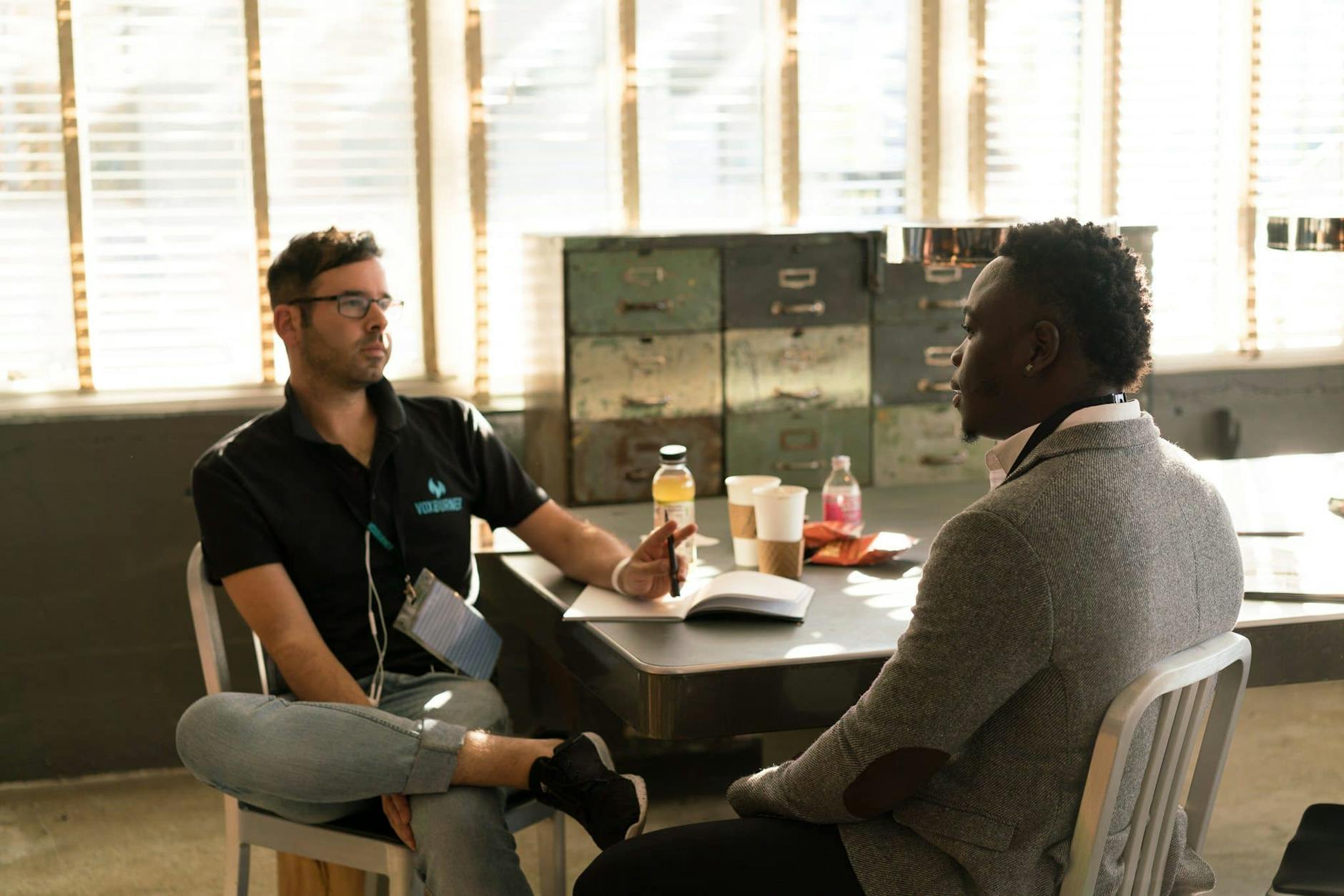
Short answers, flat body language, and no real back-and-forth can be a warning sign. If the interviewer gave you very little to work with, did not ask follow-up questions, or seemed to move on quickly, they may not have been especially engaged. That can happen when they have already ruled you out, but it can also happen when they are simply tired or overbooked.
If the interviewer seemed rushed, distracted, or lost interest, that is another sign to note. They may have been checking the time, looking at emails, or keeping things very brief. That does not always mean you are out, but it usually means the conversation did not land as strongly as you wanted.
- Your answers stayed very short and the interviewer did not build on them.
- The conversation felt one-sided, with little back-and-forth.
- The interviewer checked the time often, looked distracted, or seemed keen to end early.
A flat interview is a sign to review, not a reason to panic. The whole picture matters more than one awkward moment.
You were caught out by questions you could not answer well
This happens to almost everyone at some point. You may have been asked about a skill, situation, or tool you had not prepared for. If you froze, rambled, or gave a very vague answer, it can feel awful afterwards.
One weak answer does not always sink an interview. What matters is whether you recovered and showed enough interest, self-awareness, and flexibility in the rest of the conversation. If you could not give examples or explain your experience clearly, that can hurt. But if the rest of the interview was steady, it may not have been as bad as it felt.
- You could not think of a relevant example when asked.
- Your answer was very vague and you did not recover it well.
- You struggled to explain why you wanted that internship specifically.
Do not confuse being surprised with being unsuccessful. Interviewers know students and recent graduates will not have every answer ready.
Signs that feel bad but do not always mean rejection
A tough tone from the interviewer can feel personal, but it often is not. Some interviewers are naturally blunt, very task-focused, or simply having a busy day. A more direct style does not automatically mean they disliked you. Sometimes they are testing how you think under pressure, and sometimes they are just not great at making people feel at ease.
No small talk or warmth at the start can also throw you off. Not every interview opens with chat about the weather or your journey. Some are straight into questions. That can feel cold, but it is not always a bad sign. What matters more is whether the interviewer listened, responded properly, and gave you space to explain yourself.
- A serious or direct tone can be the interviewer’s normal style.
- A lack of small talk may just mean they are short on time.
- A brisk interview is not the same as a failed one.
Do not overread a dry delivery. Focus on how the questions were handled, not just the mood in the room.
What to do straight after the interview
Write down the questions, your answers, and anything you would change while it is still fresh. Do this before you check your emails or message friends. A quick note on your phone is enough. Capture what you were asked, where you felt strong, and which answers felt weak or rushed.
That note will help you spot patterns. Maybe you need better examples. Maybe you need to slow down. Maybe you talked too much about one topic and not enough about your interest in the role. The point is not to criticise yourself. It is to make the next interview easier.
- Write down the main questions you were asked.
- Note any answers you would shorten, sharpen, or replace.
- List one or two things you did well, not just what went wrong.
A quick debrief now can save you from repeating the same mistakes in the next interview.
How to improve for the next internship interview
Practise stronger answers and prepare better examples. Pick 3 to 5 stories from your course, work experience, part-time job, society role, or volunteering. Make sure each one shows a skill that employers care about, such as teamwork, problem solving, communication, or organisation. Then practise saying them out loud so they sound natural.
It also helps to study the job description properly. Match your examples to the role instead of trying to use the same answer for everything. If you are not sure where you are going wrong, ask a friend, tutor, or careers adviser to give you blunt feedback on your answers. That is often more useful than guessing on your own.
- Build a small bank of adaptable examples.
- Practise answering out loud, not just in your head.
- Tailor your examples to the internship or graduate role.
- Ask for feedback if your answers feel too vague or long.
Better preparation does not mean perfect answers. It means clearer, more focused ones.
Keep applying while you wait
One poor interview is one data point, not a verdict. Keep applying, keep learning, and keep moving. That is usually the smartest response while you wait to hear back.
If this one did not work out, use what you learned and get back into the search. More applications give you more chances to practise and more options to choose from. If you want more support on the preparation side first, Career Advice can help. If you are ready to move, keep searching for your next opening now.
- Apply for more internships, placements, and graduate roles.
- Use each interview to sharpen your answers.
- Keep a simple note of what improved and what still needs work.
A bad interview can sting, but it can also give you useful feedback. Take the lesson, then keep going.
Frequently Asked Questions
How do I know if my internship interview went badly?
You cannot know for certain straight away. But if the interviewer seemed disengaged, asked very few follow-up questions, rushed the conversation, or you struggled to answer key questions, those are common signs the interview may not have gone well.
Should I email after a bad interview?
Yes. A short thank-you email is fine. Keep it polite and simple. Do not pile on apologies or try to explain every weak answer. A calm, brief message is better.
What if I think I completely messed it up?
It is still worth waiting for the outcome before writing the role off. Interviews often feel worse to the candidate than they looked in the room. Use the experience to improve, then keep applying.
What should I do next if I am still searching?
Keep applying for more internships, placements, and graduate roles. A wider search gives you more chances to practise and more options to compare. Search Internwise to keep your applications moving.
Key Takeaways
Keep your search moving with Internwise
If this interview did not go as planned, do not stop there. Search fresh internships, placements, and graduate roles with Internwise, then use what you learned to do better next time.


